Hardie Board Siding
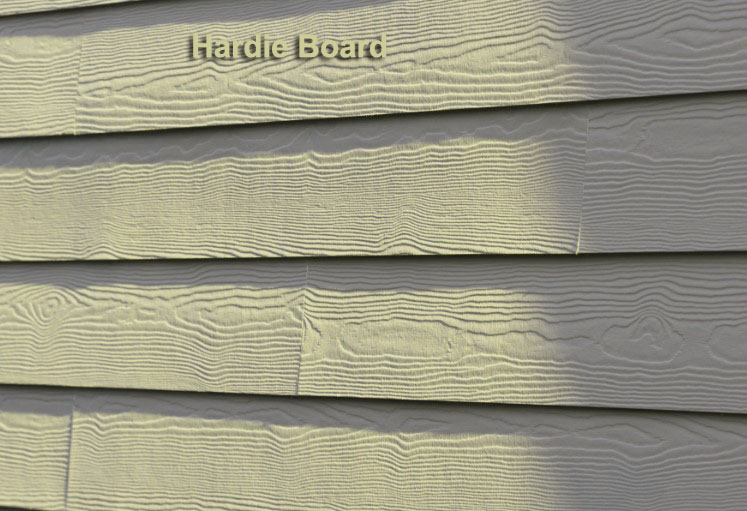
Hardie Board siding has become one of the most trusted and widely used exterior cladding options in modern residential and commercial construction. Known for its durability, versatility, and aesthetic appeal, this fiber cement siding offers a compelling alternative to traditional materials such as wood, vinyl, and aluminum. As homeowners and builders increasingly prioritize long-term performance, low maintenance, and architectural flexibility, Hardie Board siding continues to stand out as a premium choice.
What Is Hardie Board Siding?
Hardie Board siding is a type of fiber cement siding manufactured primarily by James Hardie Industries. It is composed of a carefully engineered blend of cement, sand, cellulose fibers, and water. This combination results in a strong, dense material designed to withstand harsh environmental conditions while maintaining its appearance over time.
Unlike wood siding, which can rot or attract insects, or vinyl siding, which can crack or warp under extreme temperatures, Hardie Board is engineered to resist many of the most common causes of exterior deterioration. This makes it particularly popular in regions that experience fluctuating weather patterns, high humidity, or exposure to pests.
Types and Styles of Hardie Board Siding
One of the greatest strengths of Hardie Board siding is its wide range of styles and profiles, allowing homeowners to achieve various architectural looks.
Lap Siding
Lap siding is the most common style and resembles traditional horizontal wood planks. It works well for classic, colonial, and contemporary homes alike, offering clean lines and a timeless appearance.
Vertical Siding
Vertical panels create a modern or farmhouse-inspired aesthetic. Often used as an accent or for full exterior coverage, this style adds visual height and architectural interest.
Shingle and Shake Siding
Designed to mimic cedar shingles or shakes, this option provides texture and charm without the drawbacks of real wood. It is frequently used on gables or accent walls.
Board and Batten
This style combines wide vertical boards with narrow battens covering the seams. It is especially popular in rustic, modern farmhouse, and craftsman-style homes.
Each style can be customized with different textures, including smooth or wood-grain finishes, making Hardie Board suitable for nearly any design vision.
Durability and Weather Resistance
Durability is one of the defining characteristics of Hardie Board siding. Fiber cement is inherently resistant to many environmental threats that commonly damage exterior cladding.
Hardie Board does not rot, warp, or crack easily, even when exposed to moisture. It is also non-combustible, meaning it will not ignite when exposed to direct flame, which can be a significant advantage in fire-prone areas. Additionally, it resists damage from termites and other insects that can compromise wood siding over time.
The material is engineered to perform well in extreme temperatures, whether in freezing winters or intense summer heat. Many products are specifically designed for different climate zones, ensuring optimal performance based on regional conditions.
Maintenance Requirements
Compared to traditional wood siding, Hardie Board siding requires significantly less maintenance. While wood may need frequent repainting, sealing, and repairs, fiber cement holds paint exceptionally well. Factory-applied finishes can last 10 to 15 years or more before requiring repainting.
Routine maintenance generally includes occasional washing with a garden hose to remove dirt, dust, and mildew. Inspections once or twice a year can help identify minor issues early, such as caulking gaps or small chips, which are relatively easy to address.
This low-maintenance profile makes Hardie Board especially attractive to homeowners who want long-lasting beauty without constant upkeep.
Aesthetic Versatility
Hardie Board siding is often praised for its ability to replicate the look of natural materials while offering superior performance. Whether a homeowner desires the warmth of wood, the crisp lines of modern panels, or the charm of shingles, fiber cement can deliver the desired aesthetic.
It is available in a wide range of colors and finishes, including pre-painted options and primed boards ready for custom paint. This flexibility allows for creative exterior designs, accent combinations, and long-term color stability.
Architects and designers frequently choose Hardie Board because it complements both traditional and contemporary styles, enhancing curb appeal and property value.
Installation Considerations
Proper installation is critical to maximizing the performance and lifespan of Hardie Board siding. Due to its weight and density, fiber cement requires specialized tools and experienced installers. Cutting the boards produces silica dust, so safety precautions and proper equipment are essential during installation.
Correct flashing, spacing, and fastening techniques are necessary to prevent moisture intrusion and ensure structural integrity. When installed according to manufacturer guidelines, Hardie Board siding can last several decades with minimal issues.
Because of the technical requirements, many homeowners opt to hire certified or experienced contractors rather than attempting a do-it-yourself installation.
Cost and Value
Hardie Board siding typically costs more upfront than vinyl siding but is often comparable to or less expensive than high-quality wood siding when long-term expenses are considered. The initial investment includes materials, labor, and professional installation.
However, the long lifespan, reduced maintenance costs, and strong warranty coverage contribute to excellent overall value. Many homeowners also find that homes with fiber cement siding have higher resale appeal due to the material’s reputation for quality and durability.
When evaluating cost, it is important to consider not just the price per square foot but the long-term savings associated with fewer repairs, repainting cycles, and replacements.
Environmental Impact
Hardie Board siding is often considered an environmentally responsible choice. Its long lifespan reduces the need for frequent replacement, which in turn lowers material waste. The manufacturing process uses sustainable practices, and the cellulose fibers are typically sourced from responsibly managed forests.
Additionally, fiber cement does not release harmful chemicals into the environment and contributes to energy efficiency by providing a stable, protective exterior layer. For homeowners concerned with sustainability and long-term environmental impact, Hardie Board offers a balanced solution.
Comparison With Other Siding Materials
When compared to vinyl siding, Hardie Board offers superior durability, fire resistance, and a more authentic appearance. Vinyl is lighter and often less expensive, but it can fade, crack, or melt under extreme conditions.
Compared to wood siding, fiber cement eliminates many common issues such as rot, insect damage, and frequent maintenance. While wood offers natural beauty, it requires ongoing care and is more vulnerable to environmental damage.
Aluminum and stucco each have their own advantages, but Hardie Board often provides a more balanced combination of strength, versatility, and aesthetic appeal.
Warranty and Longevity
Hardie Board siding is backed by strong manufacturer warranties, often covering the product for 30 years or more. This reflects confidence in the material’s durability and performance. Factory-applied finishes also come with additional warranties against fading and peeling.
With proper installation and minimal maintenance, Hardie Board siding can last 40 to 50 years or longer, making it one of the most long-lasting exterior cladding options available today.
Is Hardie Board Siding Right for You?
Choosing the right siding material depends on climate, budget, architectural style, and personal preferences. Hardie Board siding is an excellent choice for homeowners who value durability, design flexibility, and long-term value.
While the initial cost and professional installation requirements may be higher than some alternatives, the benefits often outweigh these considerations. For those seeking a siding solution that combines beauty, strength, and peace of mind, Hardie Board siding remains a top-tier option.
Conclusion
Hardie Board siding has earned its reputation as a premium exterior material through consistent performance, architectural versatility, and long-term reliability. Its resistance to weather, fire, and pests, combined with low maintenance needs and broad design options, makes it a smart investment for modern homes.
As building standards continue to evolve and homeowners seek materials that balance aesthetics with durability, Hardie Board siding stands as a proven solution that meets both functional and visual demands. Whether used in a new build or a renovation project, it offers lasting value and enduring curb appeal for decades to come.