ERP Ecommerce: Integrating Enterprise Systems for Scalable Online Growth
In today’s hyper-competitive digital marketplace, ecommerce businesses are no longer judged solely by their storefront design or marketing reach. Success increasingly depends on how efficiently a company manages operations behind the scenes. This is where ERP ecommerce integration becomes a critical strategic advantage. By combining the power of Enterprise Resource Planning (ERP) systems with ecommerce platforms, businesses can streamline processes, improve data accuracy, and scale with confidence.
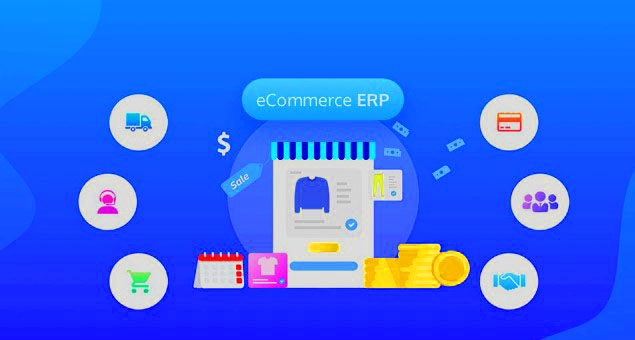
Understanding ERP in the Context of Ecommerce
ERP, or Enterprise Resource Planning, is a centralized software system designed to manage core business functions such as inventory, accounting, procurement, human resources, and supply chain operations. Traditionally used by large enterprises, ERP solutions are now widely adopted by small and medium-sized ecommerce businesses thanks to cloud-based platforms and modular pricing.
In an ecommerce environment, ERP acts as the “single source of truth.” Instead of managing separate systems for online sales, inventory, finance, and fulfillment, all data flows into one integrated platform. This unified approach reduces manual work, minimizes errors, and enables real-time decision-making.
Why ERP Ecommerce Integration Matters
Ecommerce businesses often start with simple tools: a shopping cart platform, a payment gateway, and spreadsheets for inventory. As order volumes grow, this fragmented setup becomes inefficient and risky. ERP ecommerce integration solves this problem by connecting online sales channels directly to backend operations.
Key benefits include:
- Real-time inventory visibility across warehouses and sales channels
- Automated order processing from checkout to fulfillment
- Accurate financial reporting with synchronized sales and accounting data
- Improved customer experience through faster shipping and fewer stockouts
Without ERP integration, businesses risk overselling products, delaying shipments, and making decisions based on outdated data.
Core Features of ERP for Ecommerce Businesses
Not all ERP systems are created equal. For ecommerce-focused companies, certain features are especially valuable.
Inventory and Warehouse Management
Inventory is the backbone of ecommerce. ERP systems track stock levels in real time, manage multiple warehouses, and automate replenishment rules. This ensures that product availability displayed on the website always matches actual stock.
Order Management
An ERP ecommerce setup automatically captures orders from online stores, marketplaces, and even offline channels. Orders are routed for picking, packing, and shipping without manual intervention, reducing fulfillment time and errors.
Financial Management
ERP software integrates sales, taxes, discounts, refunds, and payment fees into a single accounting framework. This provides clear visibility into profitability, cash flow, and financial performance without reconciling multiple systems.
Customer and Product Data Management
With ERP, customer profiles, order history, and product information are stored centrally. This enables consistent pricing, accurate product descriptions, and personalized customer service across all channels.
ERP Ecommerce and Omnichannel Selling
Modern ecommerce rarely operates on a single channel. Businesses sell through websites, mobile apps, marketplaces like Amazon, social commerce platforms, and even physical stores. ERP ecommerce integration is essential for omnichannel success.
By synchronizing data across all channels, ERP ensures that inventory levels, pricing, and promotions remain consistent. A product sold on one marketplace is instantly reflected in stock levels everywhere else. This consistency builds customer trust and protects brand reputation.
Choosing the Right ERP for Ecommerce
Selecting the right ERP solution is a strategic decision that impacts long-term growth. Businesses should consider several factors before implementation.
Scalability and Flexibility
An ERP system should grow with your business. Cloud-based ERP platforms are particularly attractive because they offer scalability, regular updates, and lower upfront costs.
Ecommerce Platform Compatibility
Not all ERP systems integrate seamlessly with popular ecommerce platforms. It’s important to ensure compatibility with platforms like Shopify, WooCommerce, Magento, or custom-built stores through APIs or native connectors.
Industry-Specific Features
Some ERP solutions are tailored for retail and ecommerce, offering features like product variants, promotions, returns management, and multi-currency support. These capabilities reduce the need for custom development.
Total Cost of Ownership
Beyond licensing fees, businesses should consider implementation costs, training, customization, and ongoing support. A well-planned ERP ecommerce project focuses on long-term ROI rather than short-term savings.
Challenges in ERP Ecommerce Implementation
While the benefits are significant, ERP ecommerce integration is not without challenges.
Data migration is often complex, especially when moving from spreadsheets or legacy systems. Process changes can also meet resistance from teams accustomed to manual workflows. Additionally, poor planning or unclear requirements can lead to delays and budget overruns.
To mitigate these risks, businesses should invest in proper planning, involve key stakeholders early, and work with experienced implementation partners. Starting with core modules and expanding gradually is often a practical approach.
The Role of Automation and Analytics
One of the most powerful advantages of ERP ecommerce systems is automation. Routine tasks such as order entry, invoice generation, inventory updates, and reporting can be fully automated. This frees teams to focus on strategy, marketing, and customer engagement.
ERP systems also provide advanced analytics and dashboards. Managers can monitor sales trends, inventory turnover, customer lifetime value, and fulfillment performance in real time. These insights support data-driven decisions and proactive problem-solving.
ERP Ecommerce and Customer Experience
Although ERP operates behind the scenes, its impact on customer experience is direct and measurable. Accurate stock information prevents canceled orders. Faster fulfillment improves delivery times. Integrated customer data enables responsive support and personalized communication.
In competitive ecommerce markets, customer experience is a key differentiator. ERP ecommerce integration ensures that operational excellence supports front-end marketing and branding efforts.
Future Trends in ERP Ecommerce
The future of ERP ecommerce is closely tied to emerging technologies. Artificial intelligence and machine learning are being integrated into ERP systems to improve demand forecasting, pricing optimization, and fraud detection. Cloud-native architectures enable faster innovation and global scalability.
Additionally, tighter integration with marketing automation, CRM, and supply chain partners is creating more connected digital ecosystems. ERP is evolving from a back-office tool into a central intelligence hub for ecommerce businesses.
Conclusion
ERP ecommerce integration is no longer a luxury reserved for large enterprises. It is a foundational capability for any online business aiming to scale sustainably, operate efficiently, and deliver exceptional customer experiences. By unifying sales, inventory, finance, and operations into a single system, ERP empowers ecommerce businesses to compete in fast-moving digital markets.
As ecommerce continues to evolve, businesses that invest in the right ERP strategy will be better positioned to adapt, grow, and lead. In an environment where speed, accuracy, and insight matter more than ever, ERP ecommerce integration is a decisive step toward long-term success.