Enterprise Resource Planning (ERP) systems were once considered tools reserved only for large corporations with complex operations and massive IT budgets. Today, that perception has changed dramatically. Modern ERP solutions are increasingly designed with small businesses in mind, offering affordability, flexibility, and scalability that can transform how smaller organizations operate. For small business owners seeking efficiency, visibility, and sustainable growth, ERP is no longer a luxury—it is a strategic advantage.
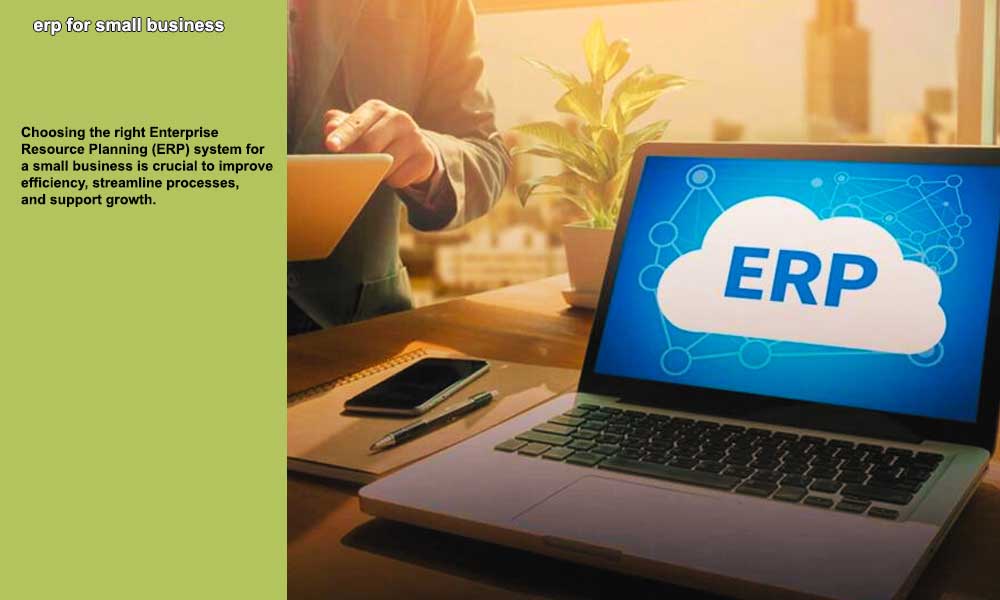
What Is ERP and Why It Matters for Small Businesses
ERP is an integrated software system that centralizes core business processes into a single platform. These processes typically include accounting, finance, inventory management, sales, purchasing, human resources, and customer relationship management. Instead of using multiple disconnected tools, an ERP system allows data to flow seamlessly across departments.
For small businesses, this integration is especially valuable. Limited staff often means that one person handles multiple roles, and fragmented systems can create errors, duplicated work, and blind spots. ERP simplifies operations by providing one source of truth, helping business owners make better decisions faster.
Common Challenges Small Businesses Face Without ERP
Many small businesses rely on spreadsheets, basic accounting software, or separate applications for different functions. While this approach may work initially, it often creates problems as the business grows:
- Data inconsistency: Information stored in multiple systems leads to discrepancies and manual reconciliation.
- Limited visibility: Owners struggle to see real-time financial performance, inventory levels, or sales trends.
- Inefficient processes: Manual data entry increases the risk of errors and consumes valuable time.
- Scalability issues: Systems that work for a small team may fail as transaction volumes increase.
ERP addresses these challenges by streamlining workflows and automating routine tasks, allowing small businesses to focus on growth rather than administration.
Key Benefits of ERP for Small Business
1. Improved Operational Efficiency
ERP automates repetitive processes such as invoicing, order processing, payroll, and inventory updates. This reduces manual work and frees employees to focus on higher-value activities like customer service and strategy. For small teams, efficiency gains can have an outsized impact.
2. Better Financial Control
With ERP, financial data is updated in real time across the organization. Business owners can track cash flow, expenses, profits, and outstanding invoices from a single dashboard. This level of control supports better budgeting, forecasting, and compliance with tax and reporting requirements.
3. Enhanced Decision-Making
ERP systems provide built-in analytics and reporting tools. Small business leaders can access insights into sales performance, customer behavior, and operational bottlenecks. Data-driven decisions help reduce risk and identify opportunities for growth.
4. Scalability for Growth
Modern ERP solutions are designed to scale. Small businesses can start with core modules such as accounting and inventory, then add features like CRM, manufacturing, or advanced reporting as needs evolve. This modular approach ensures that the system grows alongside the business.
5. Improved Customer Experience
By integrating sales, inventory, and customer data, ERP enables faster order fulfillment, accurate delivery timelines, and better customer communication. Satisfied customers are more likely to return and recommend the business, driving long-term success.
Cloud ERP vs On-Premise ERP for Small Businesses
One of the most important decisions for small businesses is choosing between cloud-based ERP and on-premise ERP.
Cloud ERP is hosted online and accessed through a web browser. It typically operates on a subscription model and requires minimal upfront investment. Benefits include automatic updates, remote access, and lower IT maintenance costs. For most small businesses, cloud ERP is the preferred option due to its flexibility and affordability.
On-premise ERP is installed on local servers and managed internally. While it offers greater control and customization, it also requires higher upfront costs and dedicated IT resources. This model is becoming less common among small businesses.
Essential ERP Modules for Small Businesses
Not every small business needs a full-featured ERP suite. The most commonly adopted modules include:
- Accounting and Finance: General ledger, accounts payable and receivable, budgeting, and financial reporting.
- Inventory Management: Real-time stock tracking, purchase orders, and supplier management.
- Sales and CRM: Customer data, sales orders, invoicing, and pipeline management.
- Procurement: Vendor management and automated purchasing workflows.
- Human Resources: Payroll, employee records, and basic HR reporting.
Choosing only the necessary modules helps control costs and simplifies implementation.
How to Choose the Right ERP for Your Small Business
Selecting an ERP system is a strategic decision that requires careful evaluation. Key factors to consider include:
- Business Needs: Identify current pain points and future growth plans.
- Ease of Use: The system should be intuitive and require minimal training.
- Cost Structure: Consider subscription fees, implementation costs, and long-term value.
- Integration: Ensure the ERP can integrate with existing tools such as e-commerce platforms or payment gateways.
- Vendor Support: Reliable customer support and documentation are critical for small teams.
A well-chosen ERP system should simplify operations, not add complexity.
Implementation Tips for Small Businesses
ERP implementation does not have to be overwhelming. Successful projects often follow these best practices:
- Start small with core modules.
- Clean and prepare data before migration.
- Involve key employees early to ensure adoption.
- Set realistic timelines and expectations.
- Measure results and refine processes after go-live.
Partnering with an experienced ERP vendor or consultant can also reduce risks and accelerate success.
The Future of ERP for Small Business
ERP systems continue to evolve, incorporating artificial intelligence, automation, and advanced analytics. Features such as predictive forecasting, intelligent inventory planning, and automated customer insights are becoming more accessible to small businesses. As technology advances, ERP will play an even greater role in helping small businesses compete with larger enterprises.
Conclusion
ERP for small business is no longer about complexity or high costs. It is about gaining clarity, efficiency, and control in an increasingly competitive market. By centralizing operations, improving decision-making, and supporting scalable growth, ERP empowers small businesses to operate smarter and more strategically. For owners who want to build resilient and data-driven organizations, investing in the right ERP system can be a defining step toward long-term success.